Training
Why Continuing Education Matters in Pole Sport & Aerial Circus Arts
Great teaching keeps growing. Discover why ongoing education matters for pole and aerial students, and how Terra's lifelong-learning philosophy shapes Flexibility in Flight.
The most meaningful moment in a pole or aerial class is not always the biggest trick. Sometimes it is a clearer explanation, a smaller step that finally makes sense, or the confidence to ask a question you were afraid to ask last week. Those moments remind us that teaching is a practice, too. In pole sport and aerial circus arts, continuing professional education means developing how we teach—not simply collecting more moves to demonstrate.
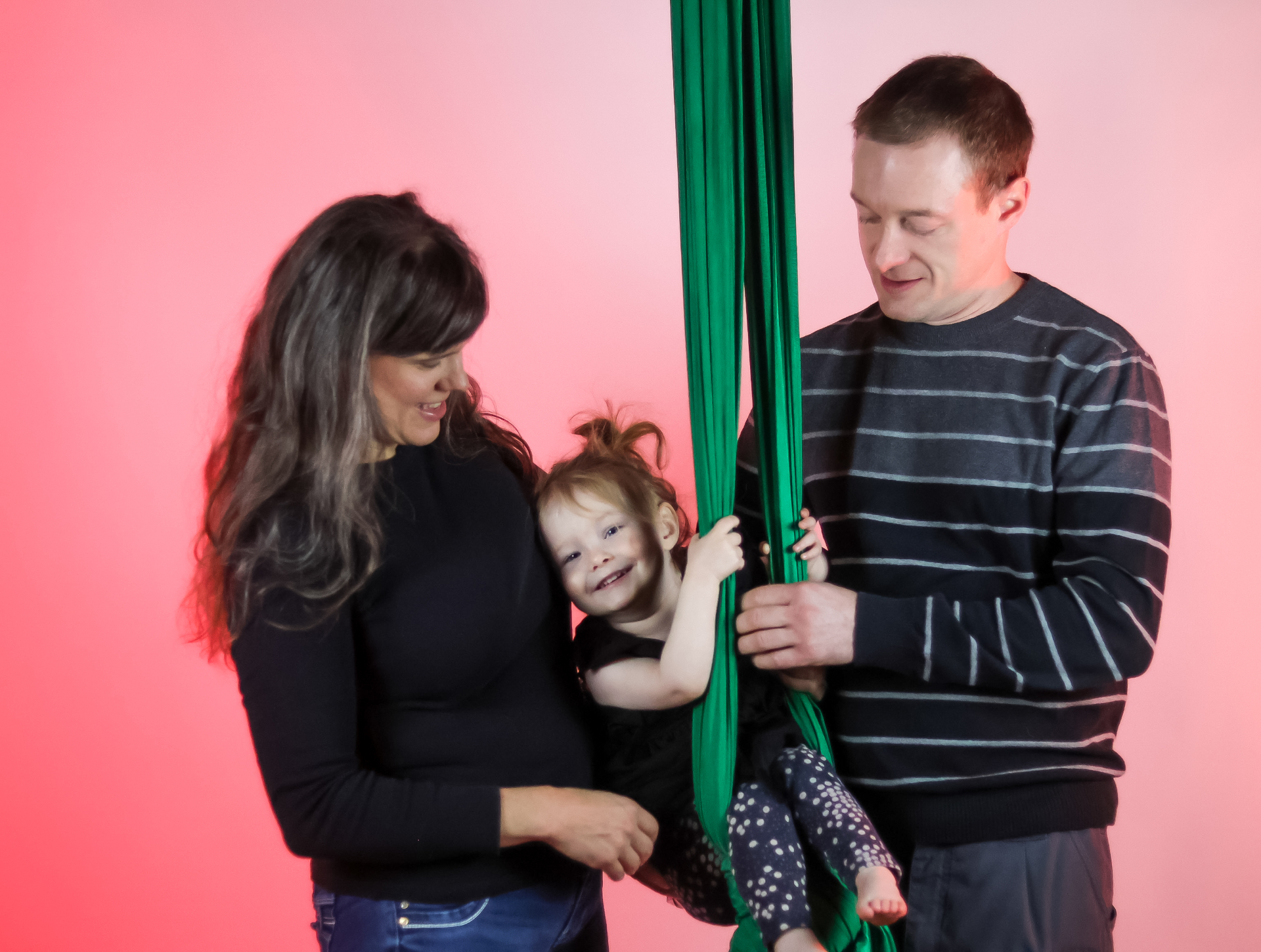
At Flexibility in Flight, our family-owned studio in Chester, NY, learning is not something reserved for beginners. It is a responsibility for teachers and an opportunity for every student. A certification can establish a foundation; curiosity, reflection and further study help us keep building on it.
What is continuing professional education?
Continuing professional education is learning that takes place beyond an instructor's initial training. It can include further teacher education, focused workshops, mentoring, studying relevant movement principles, and reflecting on lessons with other educators. Its value lies in what a teacher understands and applies afterward—not just in the certificate or the number of hours completed.
For pole and aerial instructors, useful subjects include skill progressions, spotting within their training, class planning, communication, adapting instruction and recognizing the limits of their expertise. Learning a new apparatus also requires apparatus-specific training; experience on one does not automatically qualify someone to teach another.
Being able to perform a skill is not the same as teaching it
An experienced performer may make a movement look effortless. A teacher has a different task: helping someone understand the steps, recognize the prerequisites, and work toward the skill at an appropriate pace. That means noticing where a student gets stuck and finding a useful explanation rather than repeating the same instruction more loudly.
XPERT, a pole and aerial teacher-training provider, makes this distinction in its guidance: its teacher training is designed to teach people how to instruct, not to teach them how to perform the moves. That is an important reminder that technical ability and teaching ability deserve separate attention.
Why it matters in pole sport and aerial circus arts
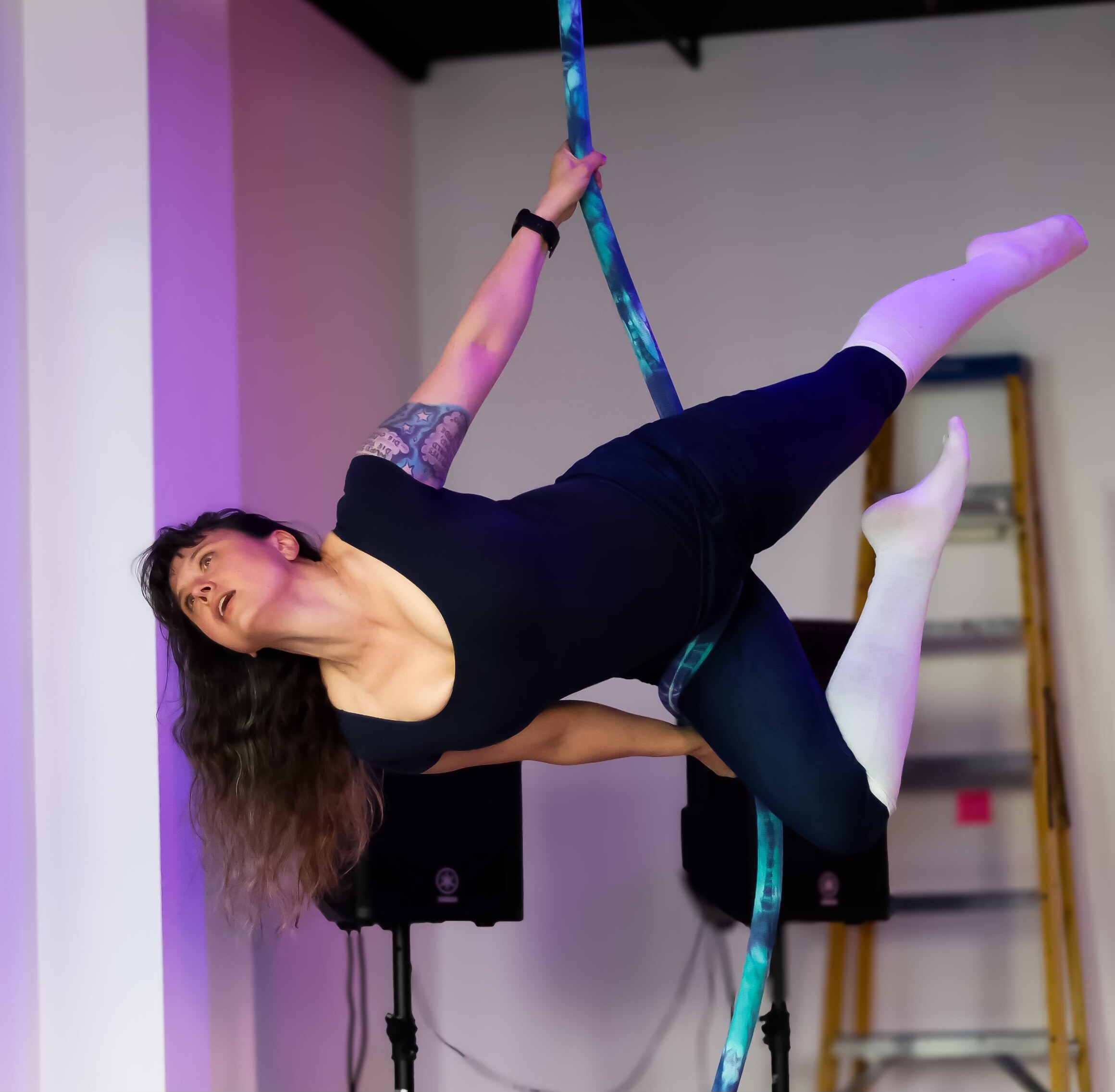
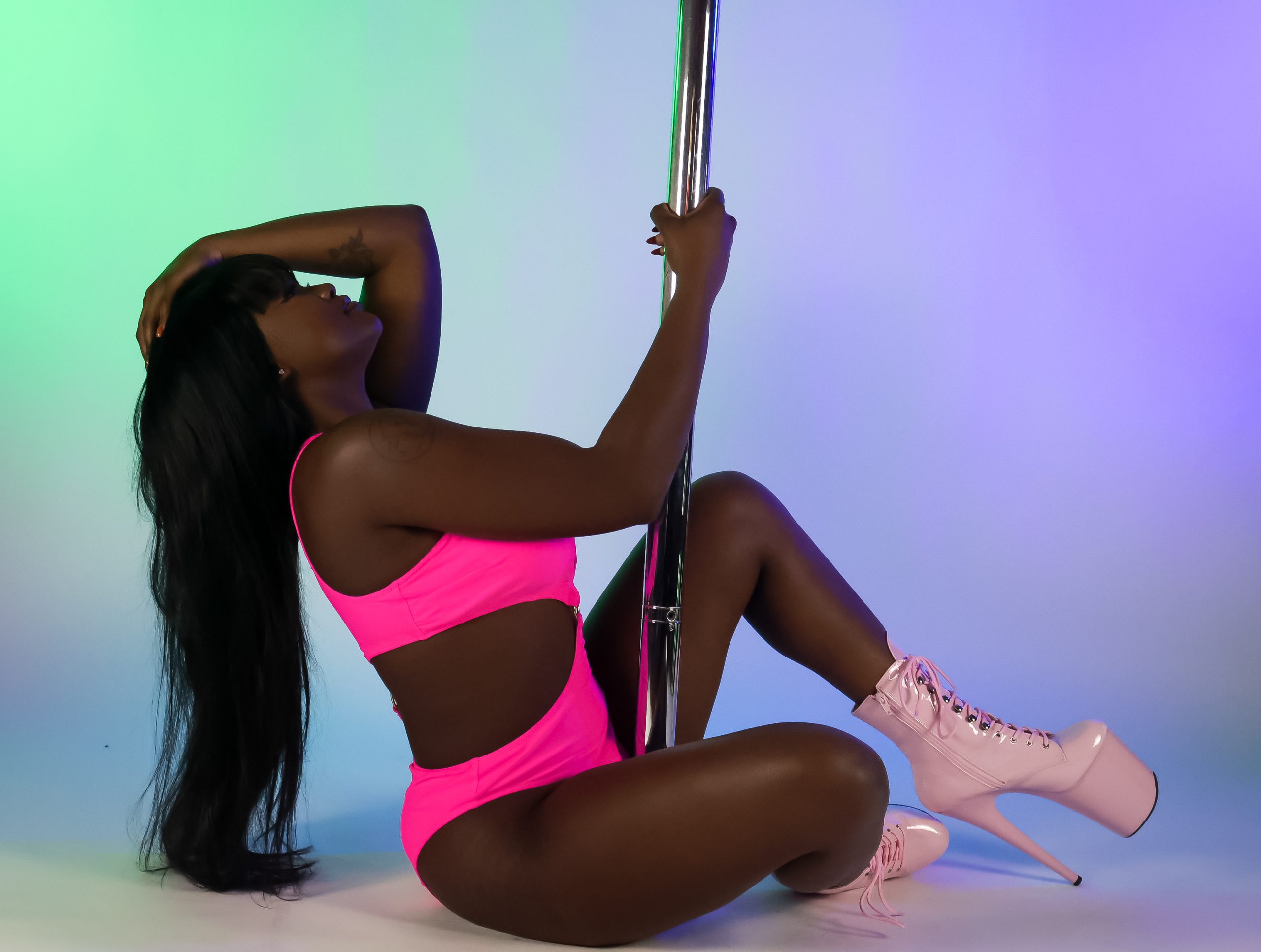
Pole sport brings together strength, coordination, balance and technical control. Aerial circus arts add the demands of working with suspended apparatus, whether that is fabric, a hoop or another discipline. In both, a beautiful shape is only part of the picture. Understanding how a student enters, sustains and exits a movement matters just as much as the finished pose.
- More thoughtful progressions: breaking a goal into manageable steps instead of rushing toward the final skill.
- Clearer communication: explaining the purpose of a drill and giving feedback a student can actually use.
- Better adaptation: recognizing that different bodies, experience levels and comfort levels may need different approaches.
- Responsible boundaries: knowing when a skill is outside an instructor's training or when a concern needs a qualified healthcare or rigging professional.
- Creative depth: exploring transitions, musicality and choreography, rather than measuring progress only by harder tricks.
Ongoing education supports more informed decisions; it does not make any physical activity risk-free. A workshop is not a substitute for appropriate supervision, equipment care, or staying within one's teaching scope. The goal is a thoughtful practice in which questions and limits are taken seriously.
Terra's belief: teachers are lifelong learners, too
Studio owner Terra Meierdierck believes in lifelong education and learning. Her master's degree in education is part of that foundation, but the heart of her philosophy is much simpler: there is always more to understand about how people learn. Education is not a finish line, and being the teacher does not mean being finished learning.
That belief connects with the open-mindset philosophy behind Flexibility in Flight: ability is grown, not granted. A student does not have to arrive already strong, flexible or certain of themselves to belong. Questions are welcome. Modifications are valid. Working on a foundation is meaningful work, not evidence that someone is falling behind.
The same openness belongs on the teaching side of the room. An educator can reconsider an explanation, seek another perspective and learn from what students find difficult. Lifelong learning is not an admission of inadequacy. It is a commitment to remaining curious and responsive to the people in front of us.
Our commitment to certified, growing instructors
All our instructors are certified in the disciplines they teach. Our team's credentials include aerial certifications, National Yoga Alliance and Xpert Pole.
We believe in continuing professional development — learning and growing as teachers so we can keep supporting your strength, confidence and creative expression.
These are credentials across our teaching team, not a claim that every instructor holds every qualification. We value both the discipline-specific foundation of certification and the willingness to continue developing beyond it. For students, that commitment should be about the quality of the learning experience—not a wall of impressive-sounding titles.
What students can look for—and ask about
You do not need to become an expert in instructor training before taking your first class. A few practical questions can help you understand a teacher's approach:
- What training prepares you to teach this particular discipline?
- How do you help students build toward a skill before attempting it?
- Can you offer a different explanation or an appropriate modification?
- How do you decide when someone is ready for the next step?
- What are you currently learning or developing in your own teaching?
For your own practice, curiosity can be just as valuable as ambition. Ask why a drill matters. Notice what changes with a different cue. Celebrate a controlled transition, a clearer understanding or a moment of creative expression. Progress is not a race, and it does not need to look the same for everyone.
Room to learn, room to rise
Continuing education is an investment in people: the instructor who wants to teach more thoughtfully, the beginner who needs a welcoming first step, and the experienced student looking for fresh understanding. At Flexibility in Flight, we want strength to become expression and movement to become freedom—with room for every person to rise. That starts with staying willing to learn.